 On the way…

Guides
What It Costs to Charge an EV in Vancouver (2026 Rates)
November 13, 2026
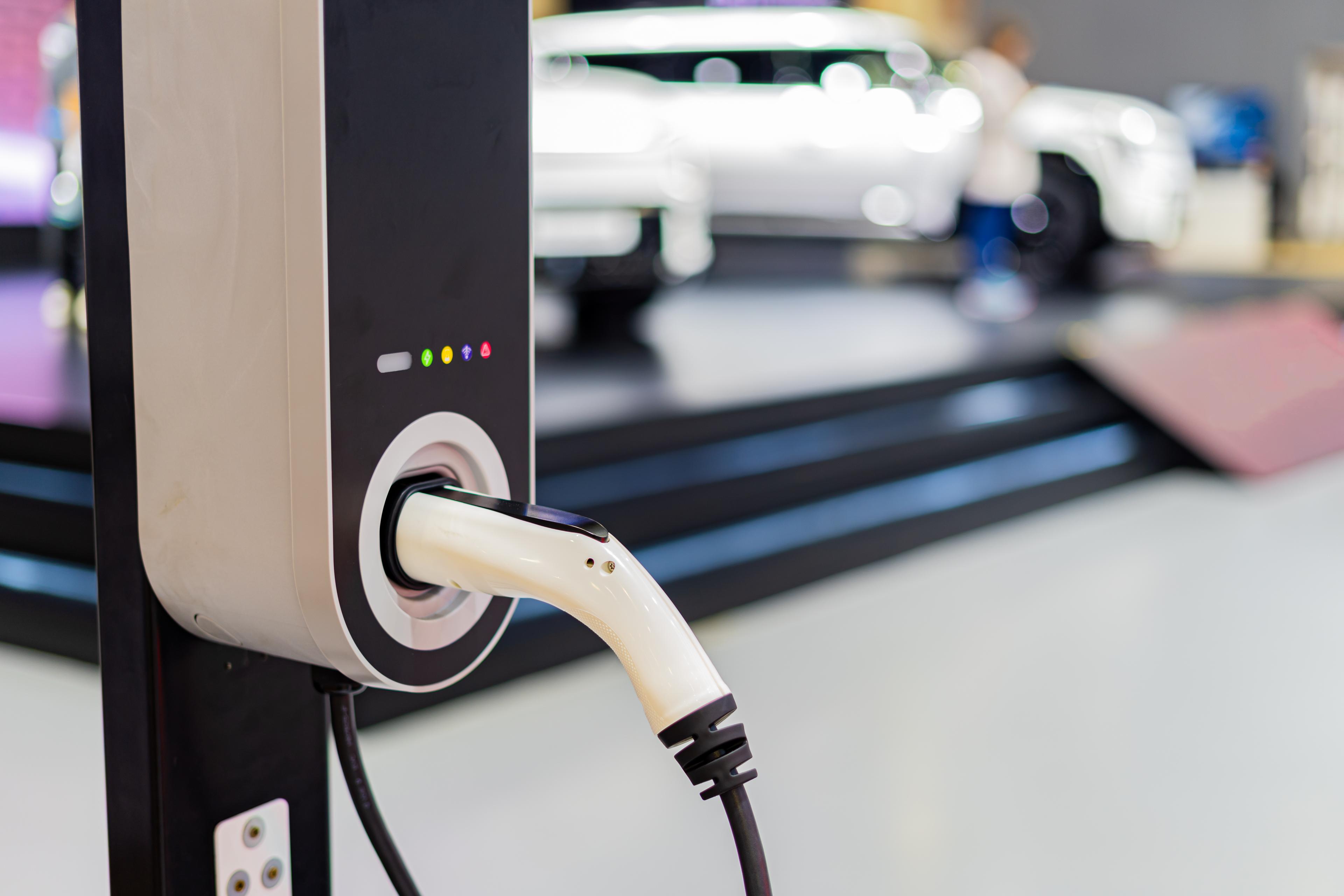
Charging a popular electric car at home on BC Hydro's flat residential rate costs roughly $1.90 to $3.40 per 100 km, or about $285 to $510 a year at 15,000 km, while the same distance at a BC Hydro fast charger costs about $5.90 to $10.60. The spread comes down to how much energy each model uses, so efficient sedans cost the least and full-size pickups the most.
What It Costs to Charge Popular Electric Cars in Vancouver
Charging a popular electric car at home on BC Hydro's flat residential rate costs roughly $1.90 to $3.40 per 100 km, or about $285 to $510 a year at 15,000 km, while the same distance at a BC Hydro fast charger costs about $5.90 to $10.60. The spread comes down to how much energy each model uses, so efficient sedans cost the least and full-size pickups the most.
Figures are in Canadian dollars before tax. They use EPA efficiency ratings converted to kilometres, BC Hydro's 12.70-cent flat residential rate, and its fast-charging price of $0.3969 per kWh (effective April 1, 2026). Your plan, driving and weather will change the result, and the sections below show how.
How the cost is calculated
What a car costs to charge is its efficiency multiplied by the price of electricity. The EPA label lists efficiency as kWh per 100 miles and counts electricity drawn from the wall, so it already includes charging losses. This guide converts it to kWh per 100 km (one mile is 1.609 km).
\text{cost per 100 km} = \text{kWh per 100 km} \times \text{price per kWh}For example, a 2026 Tesla Model 3 Standard is rated at 24 kWh per 100 miles, about 14.9 kWh per 100 km. At BC Hydro's flat residential rate of $0.127 per kWh, 100 km costs 14.9 × $0.127 = $1.89. At a BC Hydro fast charger charging $0.3969 per kWh, the same distance costs about $5.91.
Three prices drive the answer, so this guide shows all of them:
- Home, flat rate: 12.70 cents per kWh on BC Hydro's flat plan. The tiered plan charges 11.87 cents up to about 1,350 kWh per two-month bill and 14.08 cents above that, per BC Hydro.
- Home, overnight: 7.70 cents per kWh, which is the flat rate less the 5-cent discount that time-of-day pricing gives from 11 p.m. to 7 a.m.
- BC Hydro fast charging: $0.3969 per kWh before tax, plus 5% GST, per BC Hydro's rate page.
Your own cost will differ with your plan, your driving and the weather. To use your rate, multiply a car's kWh per 100 km by what you pay.
Cost by model
At BC Hydro's flat residential rate, the most efficient cars cost about $1.90 per 100 km, full-size pickups about $3.40, and charging overnight on time-of-day pricing cuts each figure by roughly 40%. A BC Hydro fast charger costs about three times the daytime home price. Prices are before tax, and yearly cost assumes 15,000 km of home charging at the flat rate.
Model | EPA-based kWh per 100 km | Home, per 100 km | Home overnight, per 100 km | BC Hydro fast charger, per 100 km | Home, per year (15,000 km) |
|---|---|---|---|---|---|
Tesla Model 3 Standard RWD (2026) | 14.9 | $1.89 | $1.15 | $5.91 | about $285 |
Tesla Model Y Standard RWD (2026) | 14.9 | $1.89 | $1.15 | $5.91 | about $285 |
Hyundai Ioniq 6 SE Long Range RWD (2026) | 15.5 | $1.97 | $1.19 | $6.15 | about $295 |
Hyundai Ioniq 5 RWD (2026) | 18.6 | $2.36 | $1.43 | $7.38 | about $355 |
Chevrolet Equinox EV 2LT (2025) | 19.3 | $2.45 | $1.49 | $7.66 | about $370 |
Rivian R1T Dual-Motor Standard (2025) | 22.4 | $2.84 | $1.72 | $8.89 | about $425 |
Kia EV9 Long Range RWD (2026) | 23.6 | $3.00 | $1.82 | $9.37 | about $450 |
Tesla Cybertruck AWD (2025) | 26.7 | $3.39 | $2.06 | $10.60 | about $510 |
Ford F-150 Lightning Standard Range (2025) | 26.7 | $3.39 | $2.06 | $10.60 | about $510 |
Sedans and small crossovers use about 15 to 19 kWh per 100 km, three-row SUVs and mid-size trucks 22 to 24, and full-size electric pickups about 27. Ratings are EPA figures converted to kilometres, so confirm your exact trim on its Canadian label. Trim, wheel size and drivetrain move a model's rating: a Tesla Model Y Long Range AWD is rated at 27 kWh per 100 miles (about 16.8 per 100 km) and a Performance at 32 (about 19.9), per a SlashGear comparison.
A bigger battery does not by itself raise the cost per kilometre. It raises the cost of a full charge, because there is more to fill, but a 60 kWh and an 80 kWh version of the same car cost the same per 100 km.
What changes the number in Vancouver
Your BC Hydro plan and when you charge matter more than which car you pick, and public fast charging in Vancouver comes with crowds as well as a price. Four things move your own figure:
- Your rate plan. At about 19 kWh per 100 km, 15,000 km adds roughly 2,900 kWh a year, or about 480 kWh on a two-month bill. That can push a home that already uses a lot of electricity, such as one with electric heat, into the 14.08-cent tier on the tiered plan, which is why the flat plan can suit EV owners. BC Hydro's rate estimator compares plans using your past usage.
- Time-of-day pricing. Opting in gives a 5-cent discount per kWh from 11 p.m. to 7 a.m. and adds a 5-cent surcharge from 4 p.m. to 9 p.m. If you have a separate meter for your charger, you can put only that meter on it. Details are on BC Hydro's EV bill page.
- Public charging prices. BC Hydro charges $0.3083 per kWh at Level 2 with no idle fee and $0.3969 per kWh for fast charging, plus 5% GST, and an idle fee of $0.40 per minute starts five minutes after a fast session ends. Partner networks reached through the BC Hydro app set their own prices and add a roaming fee of $1.25 for fast chargers or $0.75 for Level 2. Paren put British Columbia's average fast-charging price near $0.42 per kWh in Q2 2026, the lowest in Canada. Vancouver is also busy: its fast chargers had 22.8% utilization in Q3 2026, the highest among Canada's ten largest metros, per EVwire's summary of Paren's report, so expect some waits.
- Weather and driving. A 2022 NREL study, as summarized by JouleIO, found range falling about 41% at 20°F (about −7°C) with the heater on, and highway range typically runs 10% to 18% below the EPA rating. Metro Vancouver is often milder than that, but winter trips over mountain passes can be much colder, and every lost kilometre of range raises the cost per kilometre.
The table figures assume mild weather and mixed driving, so treat them as a floor rather than a promise.
Check your own car and lower the bill
You can estimate your cost in a minute: find your car's kWh per 100 km on its Canadian fuel consumption label, then multiply by the price per kWh on your BC Hydro bill. A car rated 19 kWh per 100 km on the 12.70-cent flat rate costs 19 × $0.127 = $2.41 per 100 km.
These steps lower it:
- Charge at home when you can. BC Hydro's flat rate of 12.70 cents per kWh is about a third of its $0.3969 fast-charging price.
- Use time-of-day pricing if you charge overnight. The 5-cent discount from 11 p.m. to 7 a.m. is worth the most to drivers who plug in after 11 and keep evening use modest.
- Claim the home charger rebate. BC offers up to 50% of installation, to a maximum of $350, though Tesla-branded chargers are not eligible, per Plug'n Drive's incentive page. That page also lists the federal EV Affordability Program (up to $5,000 for an eligible new battery-electric vehicle priced at $50,000 or less), which applies to the car and not the charger.
- Join Peak Saver with an eligible charger. BC Hydro pays a $250 enrolment bonus on your next bill and $50 after each season you stay enrolled.
- Ask your strata about rebates. For apartments and townhomes, BC lists EV Ready infrastructure rebates of up to 50% (maximum $600 per stall) and charger rebates of up to 50% (maximum $2,000 per charger).
- Keep fast charging for trips, stop near 80%, and move your car promptly to avoid the $0.40 per minute idle fee.
If you cannot charge at home, price your public mix first. At 19 kWh per 100 km, 100 km costs about $5.86 at a BC Hydro Level 2 charger and $7.54 at a fast charger before GST, compared with $2.41 at home.
Sources
Prices and ratings reflect pages read in November 2026 and may change. Efficiency figures are EPA ratings as reported by these pages; confirm your exact trim on its Canadian label.
- BC Hydro: tiered rate and flat rate: residential prices
- BC Hydro: EV charging and your bill: time-of-day pricing, Peak Saver
- BC Hydro: charging rates and roaming: public charging prices and fees
- EVwire: Paren Canada Q3 2026: Vancouver utilization
- Canadian Auto Dealer: Paren Canada Q2 2026: British Columbia fast-charging price
- Plug'n Drive: electric vehicle incentives: charger rebates, federal program
- JouleIO: EV range comparison 2026: Model 3, Ioniq 5 and Cybertruck ratings, winter and highway range
- Cars.com: most efficient EVs: Model 3 and Model Y Standard
- Recurrent: most efficient EVs of 2026: Ioniq 6
- Edmunds: EPA vs real-world range: Equinox EV
- fueleconomy.gov: 2026 Kia models: EV9
- GreenCarsCompare: Lightning and Rivian R1T: F-150 Lightning and R1T
- SlashGear: Model Y alternatives: Model Y trim ratings